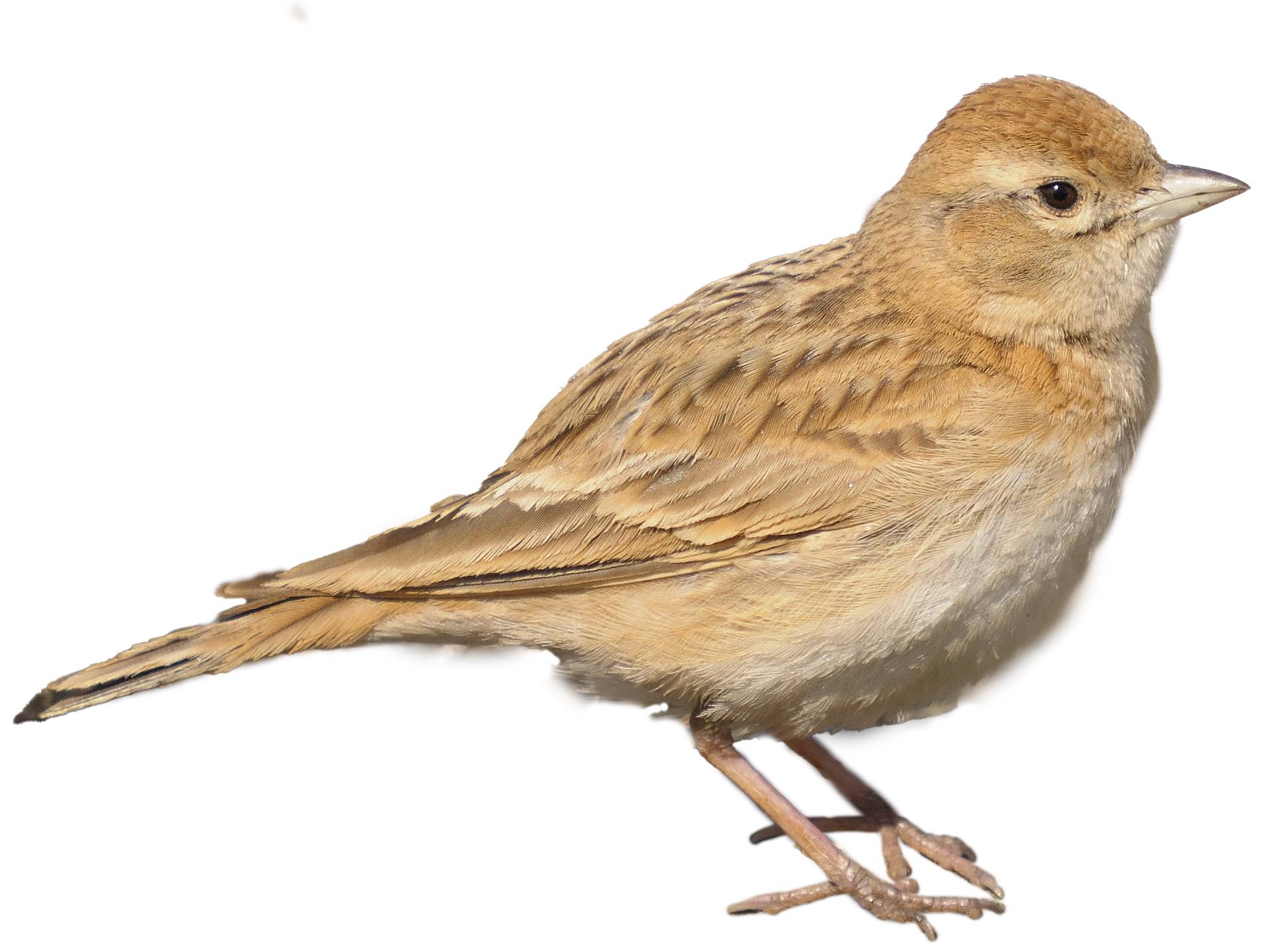
Greater Short-toed Lark
Calandrella brachydactyla
The Greater Short-toed Lark, Calandrella brachydactyla, is a diminutive passerine bird, a member of the lark family. Its plumage is a subtle blend of earthy tones, primarily a dark-streaked greyish-brown above and a clean white below. The species is characterized by a robust, pointed bill tinged pink with a grey culmen, a pale supercilium, and distinctive dark patches on the neck sides. The tail is dark, and some individuals may boast a rufous crown. Both sexes share a similar appearance, and the bird is generally smaller than the familiar skylark.
Identification Tips
When identifying the Greater Short-toed Lark, look for its small size and pale coloration, which sets it apart from its congeners. The bill is strong and pointed, suitable for its diet, and the bird's short toes are a defining feature. The dark neck patches and possible rufous crown are also key identification markers. In flight, observe the compact flocks that move in unison, a behavior quite characteristic of this species.
Habitat
This lark favors dry open country and cultivated lands. It is often found nesting on the ground in these environments, where it can take advantage of the seeds and insects that make up its diet.
Distribution
The Greater Short-toed Lark breeds across a wide range, from southern Europe and north-west Africa to Turkey, southern Russia, and as far as Mongolia. It is a migratory bird, with populations moving south to the fringes of the Sahara and into India during the winter months.
Behaviour
Outside the breeding season, these larks are known to form large, tight flocks during migration, moving in perfect synchrony. At other times, they gather in looser flocks. They exhibit a preference for roosting on open ground at night, each bird nestled in a small depression it has created in the soil.
Song & Calls
The vocalizations of the Greater Short-toed Lark range from a dry twittering to a more complex and melodious song that can include imitations of other birds. Flocks are known to vocalize in unison, particularly when flying to water sources in the morning.
Breeding
The species nests on the ground, laying two to three eggs. During the breeding season, insects become an important part of their diet, supplementing their usual seed intake.
Similar Species
Care should be taken to distinguish the Greater Short-toed Lark from other similar species within the Calandrella genus, such as the Mediterranean Short-toed Lark. The Greater Short-toed Lark is paler and has a longer bill compared to the Mongolian Short-toed Lark.
Diet and Feeding
The diet of the Greater Short-toed Lark consists primarily of seeds and insects. The latter is especially important during the breeding season to provide the necessary protein for raising young.
Conservation status
The IUCN Red List categorizes the Greater Short-toed Lark as Least Concern, indicating that, currently, there are no immediate threats to its population levels that would warrant a higher degree of conservation action.






Greater Short-toed Larks on Birda


Sightings


More Larks



Your birdwatching journey like never before

Connect with nature in minutes

Discover the joy of birding

Play your part in saving nature
Birda Blog


What Our Birders Say

Fantastic App
Very good database
Very knowledgeable group
Great App
Helped me to identify more birds
I really like Birda
Easy to use and accurate
Very encouraging birding app
Great app for bird lovers
Loving it