loading...
Woodpeckers
Woodpeckers, part of the family Picidae which includes piculets, wrynecks, and sapsuckers, are found globally except in Australia, New Guinea, New Zealand, Madagascar, and the extreme polar regions. These birds primarily inhabit forests, but some can live in treeless areas like deserts, and the Gila woodpecker has even adapted to cacti. Recognized for pecking at tree trunks to forage for insects and larvae, woodpeckers communicate by drumming on trees, a sound audible from a distance. Their diets can include fruits, small animals, tree sap, and human scraps. Woodpeckers nest in holes they excavate in trees, which become habitats for other species once abandoned. Occasionally, woodpeckers come into conflict with humans by drilling into buildings or feeding on crops. The Picidae family, belonging to the Piciformes order, encompasses about 240 species in 35 genera, with nearly 20 species at risk of extinction because of habitat loss.
Woodpeckers possess varied sizes, ranging from the tiny bar-breasted piculet to the large great slaty woodpecker; their plumage too varies from drab for camouflage to conspicuous patterns with bold colors. Notably sexually dimorphic, these birds have zygodactyl feet (two toes facing forward and two back), enabling them to grasp tree trunks for vertical movement. These adaptations, along with their strong claws, legs, and stiffened tail feathers (except for piculets and wrynecks), allow for efficient climbing and pecking. Their beaks are strong and adapted for drumming and drilling, while their tongues are long and sticky, aiding in extracting food from crevices. Woodpeckers protect their brains from the impact of pecking through several anatomical adaptations. They also exhibit various flight patterns, are mostly sedentary, and prefer forests but can adapt to other habitats.
Woodpeckers engage in different behaviors, with some living solitarily while others form groups. Communication involves drumming and a range of vocal calls, with drumming serving as a territorial signal and part of courtship rituals. Most species feed on insects and invertebrates under bark and wood, playing a crucial ecological role in forest health by controlling pests. Breeding involves cavity nesting, mostly in trees, and they are predominantly monogamous, sometimes with cooperative breeding habits. The survival of woodpeckers is closely tied to the availability of trees for nesting and feeding.
Multiple studies have looked into the woodpecker's resistance to head injury from pecking, noting adaptations like spongy bone structure and uneven beak lengths that absorb impact energy. Furthermore, researchers have found tau protein accumulations in woodpeckers, akin to what is seen in human CTE, though the implications of this are not fully understood.
Regions
Categories
All
African & New World Parrots
Albatrosses
Anhingas, Darters
Antbirds
Antpittas
Antthrushes
Austral Storm Petrels
Barn Owls
Black-capped Donacobius
Caracaras, Falcons
Cardinals & Allies
Chachalacas, Curassows, Guans
Chats, Old World Flycatchers
Cormorants, Shags
Cotingas
Crescentchests
Crows, Jays
Cuckoos
Dippers
Ducks, Geese, Swans
Finches, Euphonias
Finfoots
Flamingos
Frigatebirds
Gannets, Boobies
Gnatcatchers
Gnateaters
Grebes
Gulls, Terns, Skimmers
Herons, Bitterns
Hoatzin
Hummingbirds
Ibises, Spoonbills
Jacamars
Jacanas
Kingfishers
Kites, Hawks, Eagles
Larks
Limpkin
Magellanic Plover
Manakins
Mitrospingid Tanagers
Mockingbirds, Thrashers
Motmots
New World Barbets
New World Quail
New World Sparrows
New World Vultures
New World Warblers
Nightjars
Northern Storm Petrels
Oilbird
Old World Parrots
Old World Sparrows, Snowfinches
Oropendolas, Orioles, Blackbirds
Ospreys
Ovenbirds
Owls
Oystercatchers
Painted-snipes
Pelicans
Penguins
Petrels, Shearwaters, Diving Petrels
Pheasants & Allies
Pigeons, Doves
Plovers
Potoos
Puffbirds
Rails, Crakes & Coots
Rheas
Sandpipers, Snipes
Sapayoa
Screamers
Seedsnipes
Seriemas
Sheathbills
Skuas
Starlings, Rhabdornis
Stilts, Avocets
Stone-curlews, Thick-knees
Storks
Sunbittern
Swallows, Martins
Swifts
Tanagers & Allies
Tapaculos
Thrushes
Thrush-tanager
Tinamous
Tityras, Becards, Sharpbill
Toucan Barbets
Toucans
Trogons
Tropicbirds
Trumpeters
Tyrant Flycatchers, Calyptura
Vireos, Greenlets, Shrike-babblers
Wagtails, Pipits
Waxbills, Munias & Allies
Waxwings
Weavers, Widowbirds
Woodpeckers
Wrens

Pale-crested Woodpecker
Celeus lugubris

Plain-breasted Piculet
Picumnus castelnau
Powerful Woodpecker
Campephilus pollens

Red-crowned Woodpecker
Melanerpes rubricapillus
Red-necked Woodpecker
Campephilus rubricollis
Red-rumped Woodpecker
Veniliornis kirkii

Red-stained Woodpecker
Veniliornis affinis

Ringed Woodpecker
Celeus torquatus
Robust Woodpecker
Campephilus robustus
Rufous-breasted Piculet
Picumnus rufiventris
Rufous-headed Woodpecker
Celeus spectabilis
Rusty-necked Piculet
Picumnus fuscus
Scaled Piculet
Picumnus squamulatus
Scaly-breasted Woodpecker
Celeus grammicus
Scarlet-backed Woodpecker
Veniliornis callonotus

Smoky-brown Woodpecker
Leuconotopicus fumigatus
Speckle-chested Piculet
Picumnus steindachneri

Spot-breasted Woodpecker
Colaptes punctigula

Spotted Piculet
Picumnus pygmaeus
Striped Woodpecker
Veniliornis lignarius
Varzea Piculet
Picumnus varzeae
Waved Woodpecker
Celeus undatus
White-barred Piculet
Picumnus cirratus
White-bellied Piculet
Picumnus spilogaster
White-fronted Woodpecker
Melanerpes cactorum
White-spotted Woodpecker
Veniliornis spilogaster
White-throated Woodpecker
Piculus leucolaemus

White-wedged Piculet
Picumnus albosquamatus

White Woodpecker
Melanerpes candidus

Yellow-bellied Sapsucker
Sphyrapicus varius

Yellow-browed Woodpecker
Piculus aurulentus

Yellow-eared Woodpecker
Veniliornis maculifrons

Yellow-fronted Woodpecker
Melanerpes flavifrons

Yellow-throated Woodpecker
Piculus flavigula

Yellow-tufted Woodpecker
Melanerpes cruentatus
Yellow-vented Woodpecker
Veniliornis dignus

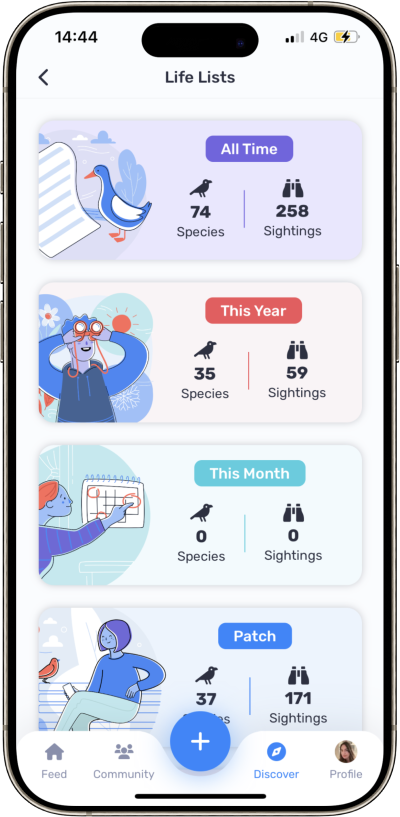
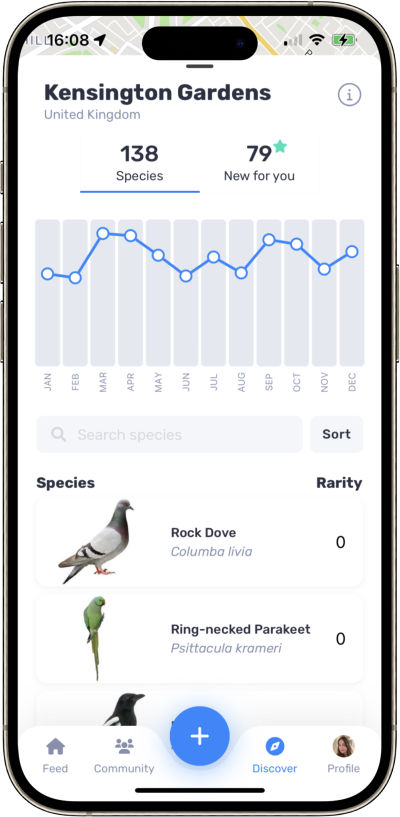
Birda is a birdwatching app and community aimed at curious people who want to deepen their connection with nature.






Your birdwatching journey like never before
Connect with nature in minutes
Take a walk, look out of the window and log the birds that you see. Feel good about those little connections to nature.

Discover the joy of birding
Find new birding spots, see more birds, share and celebrate with a like-minded community of nature lovers.

Play your part in saving nature
Logging your birding sightings and sessions turns into positive action for our planet. Every sighting counts.
Species Categories
African & New World ParrotsAlbatrossesAnhingas, DartersAntbirdsAntpittasAntthrushesAustral Storm PetrelsBarn OwlsBlack-capped DonacobiusCaracaras, FalconsCardinals & AlliesChachalacas, Curassows, GuansChats, Old World FlycatchersCormorants, ShagsCotingasCrescentchestsCrows, JaysCuckoosDippersDucks, Geese, SwansFinches, EuphoniasFinfootsFlamingosFrigatebirdsGannets, BoobiesGnatcatchersGnateatersGrebesGulls, Terns, SkimmersHerons, BitternsHoatzinHummingbirdsIbises, SpoonbillsJacamarsJacanasKingfishersKites, Hawks, EaglesLarksLimpkinMagellanic PloverManakinsMitrospingid TanagersMockingbirds, ThrashersMotmotsNew World BarbetsNew World QuailNew World SparrowsNew World VulturesNew World WarblersNightjarsNorthern Storm PetrelsOilbirdOld World ParrotsOld World Sparrows, SnowfinchesOropendolas, Orioles, BlackbirdsOspreysOvenbirdsOwlsOystercatchersPainted-snipesPelicansPenguinsPetrels, Shearwaters, Diving PetrelsPheasants & AlliesPigeons, DovesPloversPotoosPuffbirdsRails, Crakes & CootsRheasSandpipers, SnipesSapayoaScreamersSeedsnipesSeriemasSheathbillsSkuasStarlings, RhabdornisStilts, AvocetsStone-curlews, Thick-kneesStorksSunbitternSwallows, MartinsSwiftsTanagers & AlliesTapaculosThrushesThrush-tanagerTinamousTityras, Becards, SharpbillToucan BarbetsToucansTrogonsTropicbirdsTrumpetersTyrant Flycatchers, CalypturaVireos, Greenlets, Shrike-babblersWagtails, PipitsWaxbills, Munias & AlliesWaxwingsWeavers, WidowbirdsWoodpeckersWrens
Birda Blog


What Our Birders Say

Madstherangers
A mordern game changer
Birda is an awesome app, its updated the world of birding to the modern day with a fun and easy to use app. It’s engaging and allows positive interaction with fellow bird lovers!
SW H
Wonderful App
Birda is my go to app for keeping records of my bird sightings and sessions. It has fantastic information which is great at aiding identification. With all the updates that are coming in the new year, this app is something special.
Talli A
My favourite app
As a young birdwatcher who was always keen to be apart of a community but never seemed to find one, my problem was solved downloading this!!! Everyone is so friendly and just as excited to see birds as me 😁
Foxgirl100
Great app for beginner twitchers
I’ve had a passion of photographing birds for a long time now but have only just gotten into proper birdwatching, and this app is brilliant for those just getting started. There is a great sense of community among users and the app is very easy to use and professional. Awesome app altogether
Dan R
Great app for bird fanatics
Great app for bird fanatics - very user friendly and a perfect place to share sightings.
Marlster24
Recommend for any bird watcher
Very wholesome app: I joined this app with a new interest in watching birds to help me find out what I was spotting. The community is very active in helping identify birds which is great and everyone is very kind so it’s just a nice wholesome community. I would definitely recommend this for any bird spotter 😃
Abi.M
Awesome App
I really enjoy using this app! It is such a friendly community of bird-lovers who are happy to help if I need ID advice. It’s been great motivation to get outdoors and go birding more! 10/10 😍😍
Tralisalandhoop
Fantastic app - Love it!
Love this app and have used it almost daily. Lots of species information and easy to use. Love seeing birds spotted by other users in the UK and worldwide.
Carl B
Helped me to identify more birds
Love this app and has helped me to identify more birds. The challenges and badges are great for keeping the motivation going to get out and keep birding.
Emcil24
A Friendly Place
I love using the bird app, I have a pretty good knowledge of birds. But I do have some gaps in it, so it’s nice to have a safe space to check on a sighting to confirm the species. It’s really enjoyable and I love the badges you can collect. It’s like a real life Pokémon go.
As featured in









Explore
Work with Birda
Work with Birda

Copyright © 2024 Chirp Birding. All rights reserved.